| Author |
Ing. arch. Daniel Struhařík, Ing. arch. Georgi Dimitrov, Ing. arch. Ondřej Válek, MgA. Kateřina Šedá |
| Studio |
PEER COLLECTIVE |
| Location |
Františkánská, 602 00 Brno |
| Collaborating professions |
iniciátor myšlenky: Renadi, grafický design: Kristína Drinková, interaktivní koncepce: Zkrat kolektiv |
| Investor |
Městská část Brno-střed, Dominikánská 264/2, 602 00 Brno |
| Supplier |
dodavatel opon: Kubíček Factory, dodavatel konstrukce: Kletch CZ, zhotovitel objektu zpovědnice: Georgi Dimitrov, dodavatel projekce: Jaroslav Zelina |
| Date of completion / approval of the project |
December 2025 |
| Fotograf |
Matej Hakár, Roman Franc |
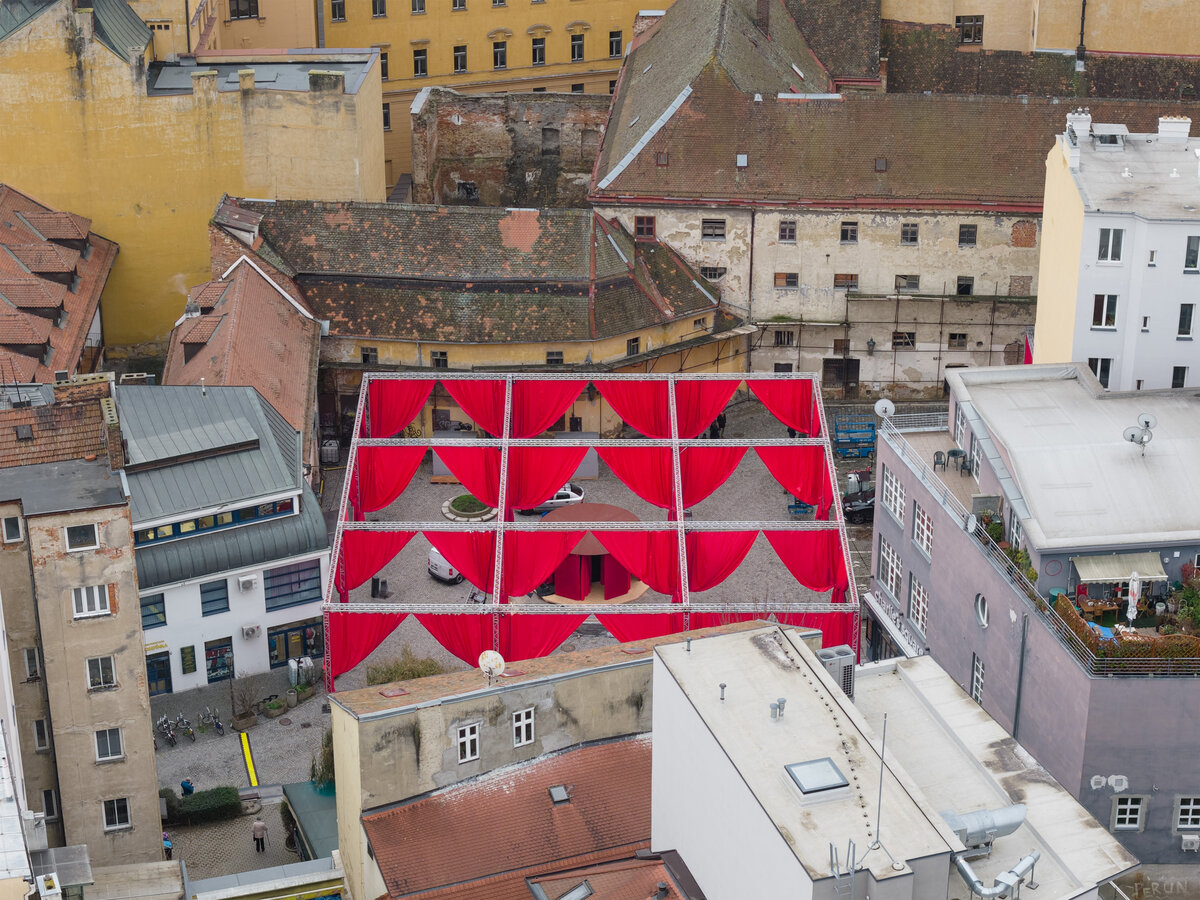
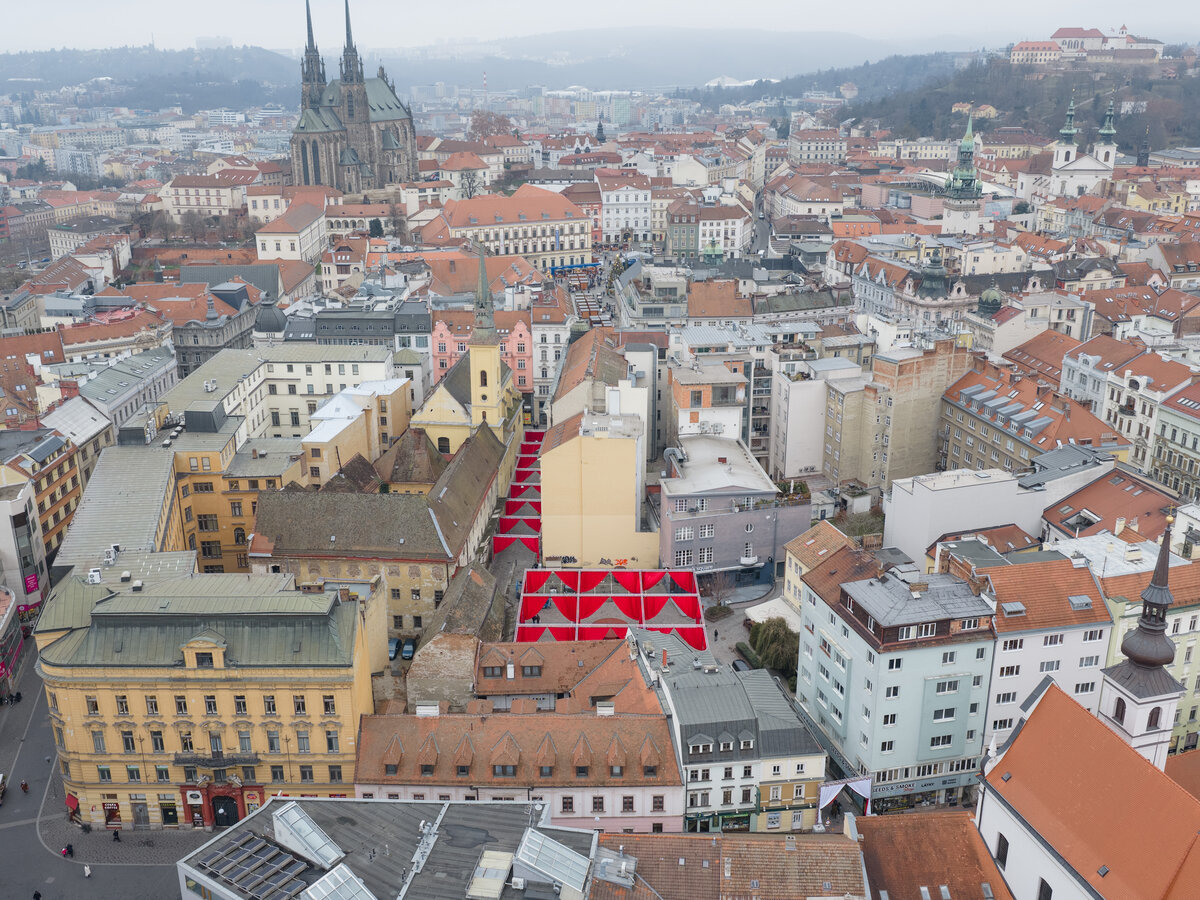
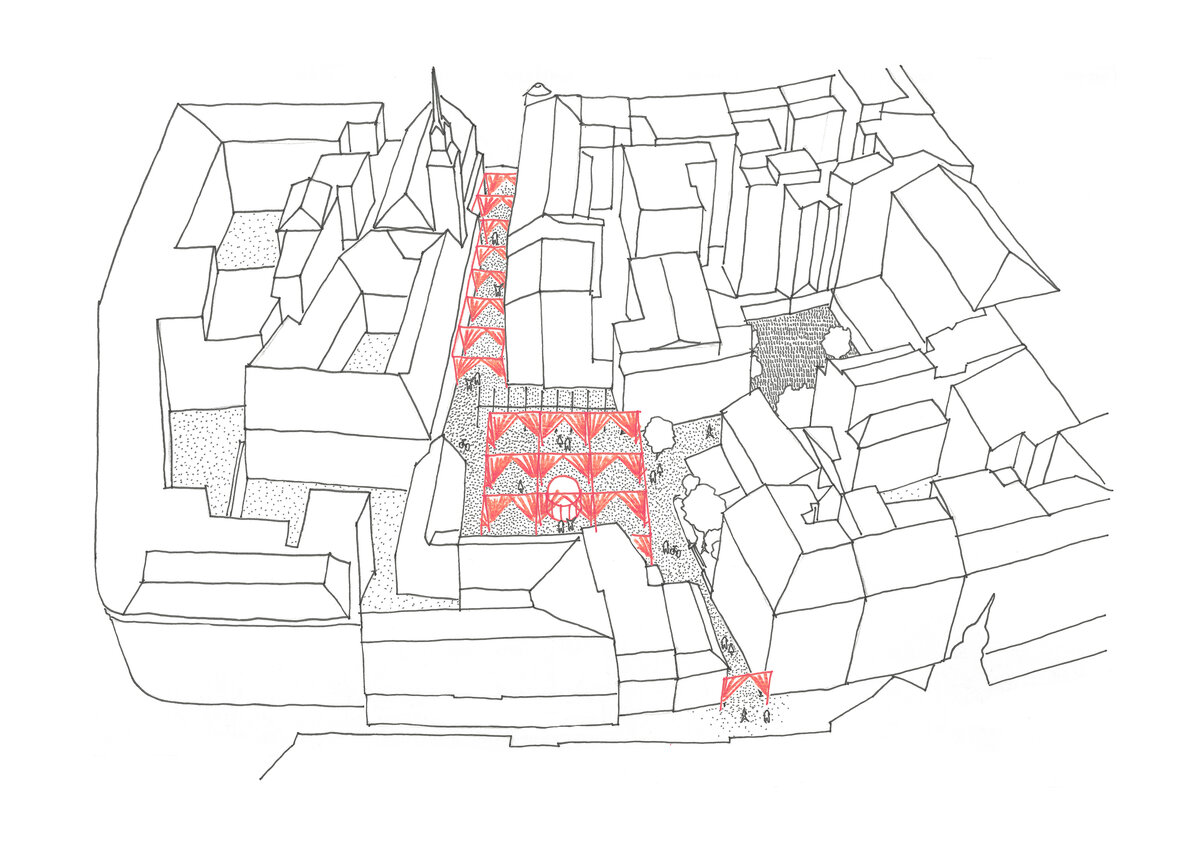
The Christmas Festival of Bad Habits – a joint project by the architectural studio Peer Collective, artist Kateřina Šedá, the organization Renadi, and the Brno-střed Municipal District – turns attention away from the consumerist tradition of Christmas markets toward a deeper experience of the city and of oneself. In the very heart of Brno, just a few steps from the bustling Masarykova Street, lies a space most passersby usually overlook. Římské náměstí (Roman Square) – an extended section of Františkánská Street – has long been a neglected corner of the city. Last Christmas, however, it has become the stage for an experiment that reconsiders our relationship to both the Christmas season and urban public space.
The project originated from an initiative by the non-profit organization Renadi, which has long sought to create an environment where even people on the margins of society can feel safe during the holidays. It seeked to create a peaceful, sober place without alcohol and financial pressure, offering an alternative to the traditional, often consumerist notion of Christmas. In cooperation with the Brno-střed District, Renadi invited Kateřina Šedá, whose work focuses on building new relationships between people. The main motif was to be a person's journey toward self-transformation, which takes place in the middle of the square – in a confessional. Through a collaborative dialogue between the artist, architects, a nonprofit organization, and the city district, a project was created that transforms the classic Christmas market into a way to experience the city in a calmer and more concentrated way.
The core idea is based on a simple shift of perspective – the entire festival on Římské náměstí (Roman Square) is conceived as a journey of self-reflection. Visitors gradually pass through situations that hold up a mirror to their everyday habits. These are built on the long-term project The National Collection of Bad Habits, in which Kateřina Šedá broadly maps Czech customs and weaknesses. The route is designed to encourage people to name their own bad habits, compare them with the experiences of others, and symbolically lay them aside in the “confessional” object. What began as a narrowly focused intention has thus become a concept open to everyone. To people struggling with any form of weakness, as well as those who simply want to take a moment to confront their own bad habits.
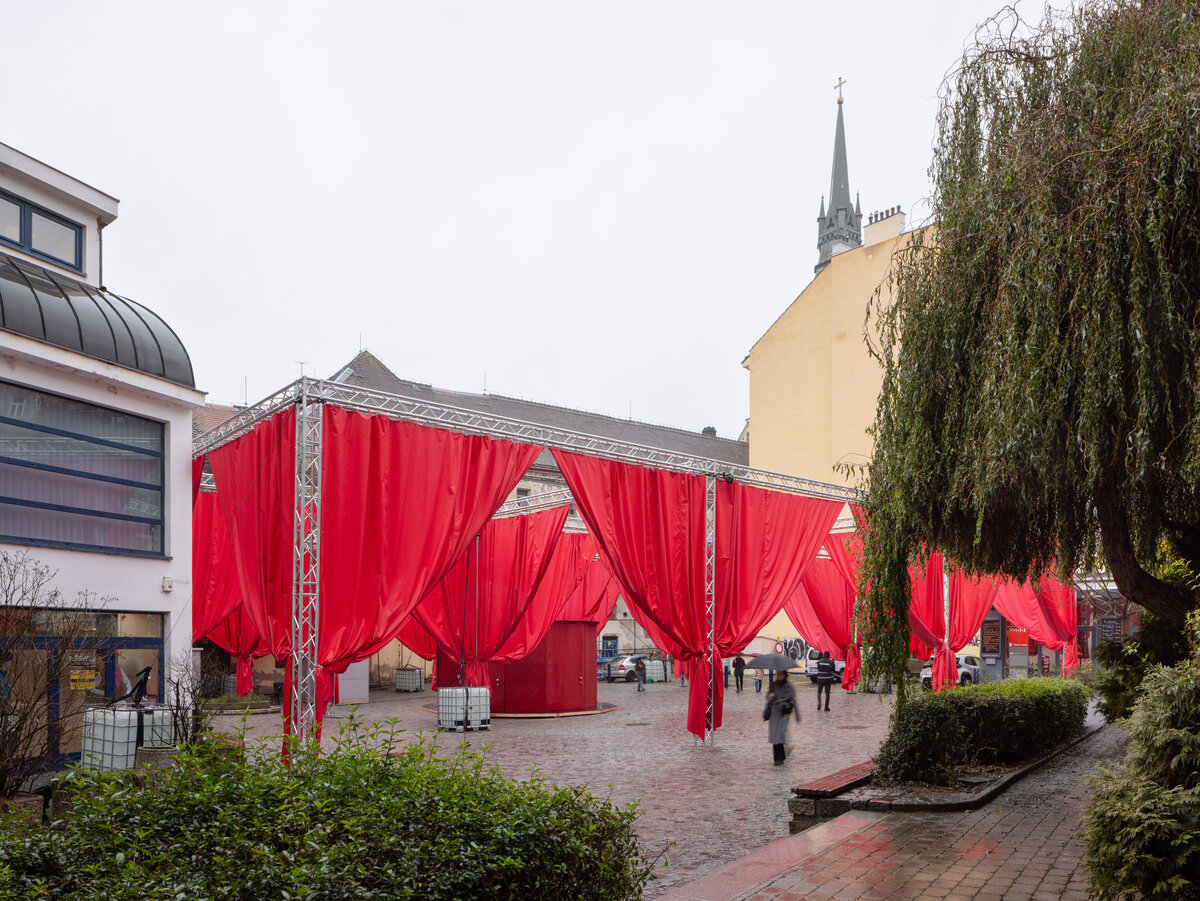
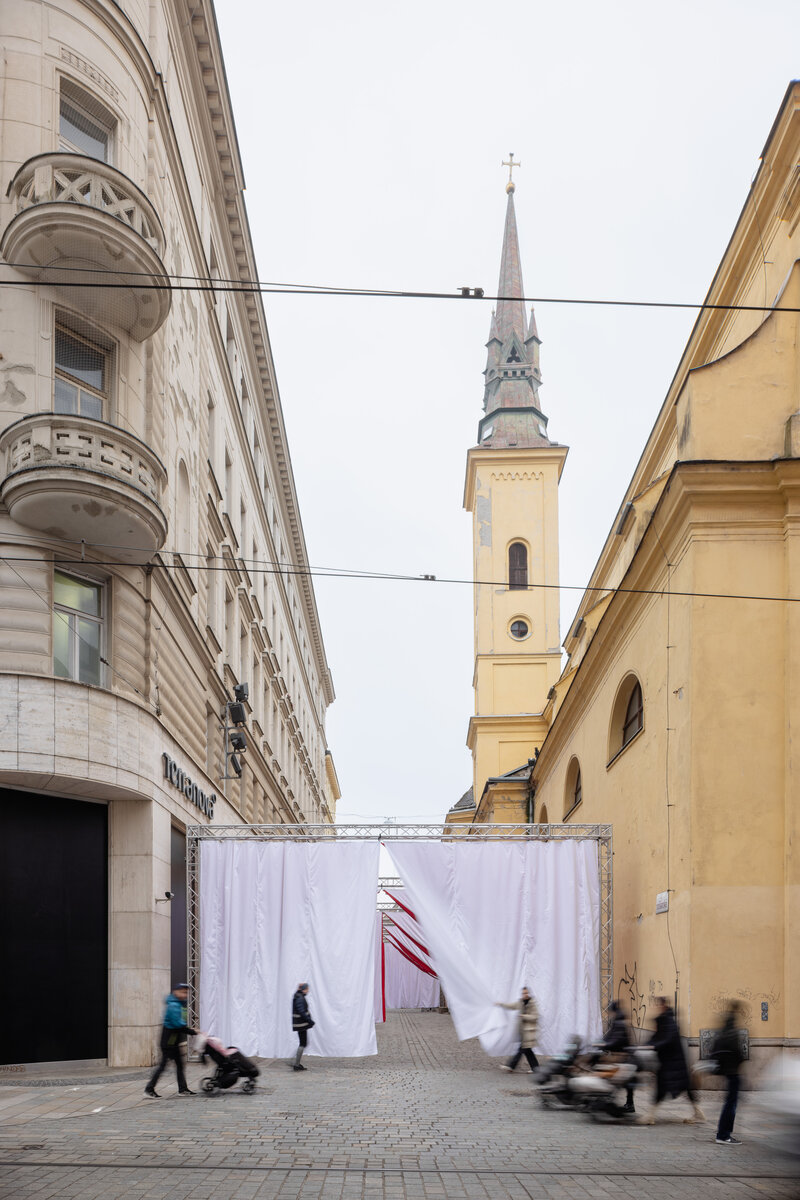
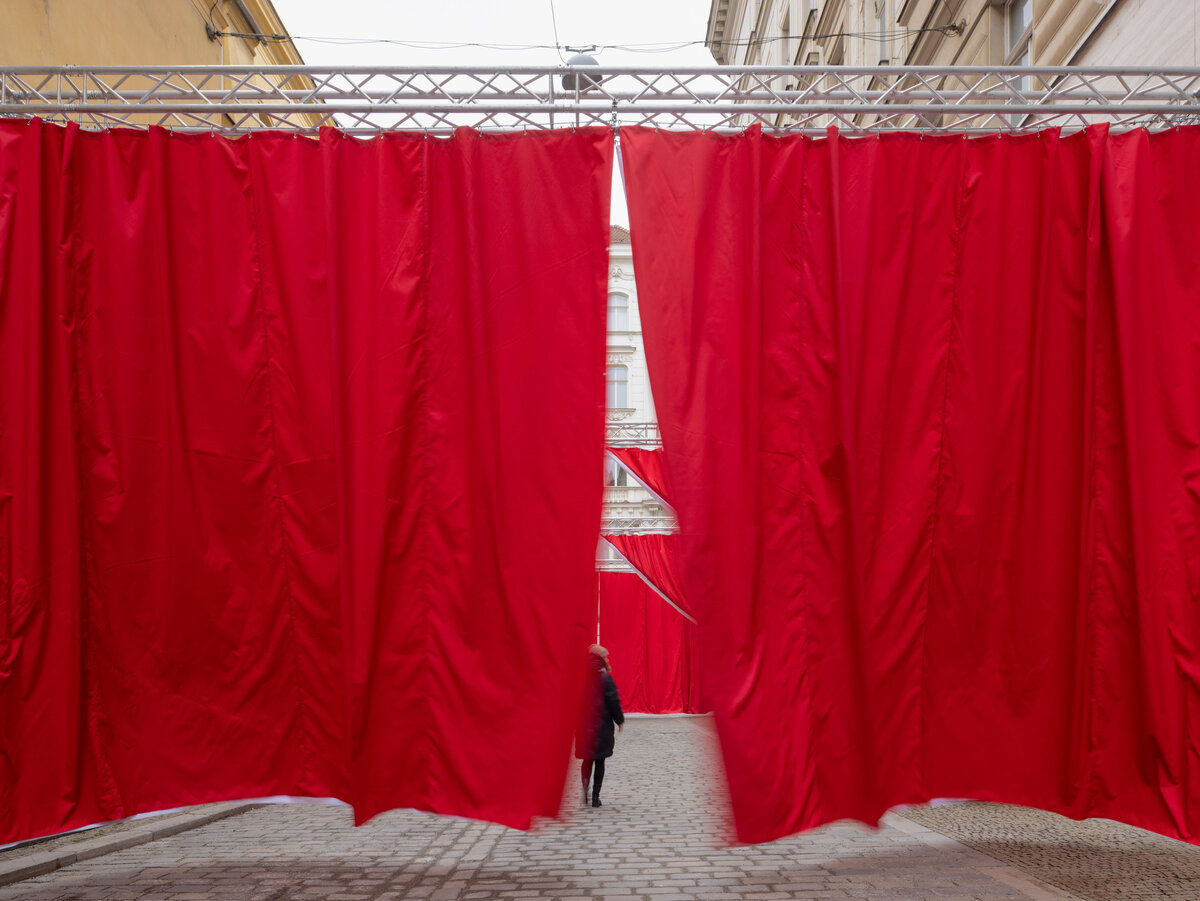
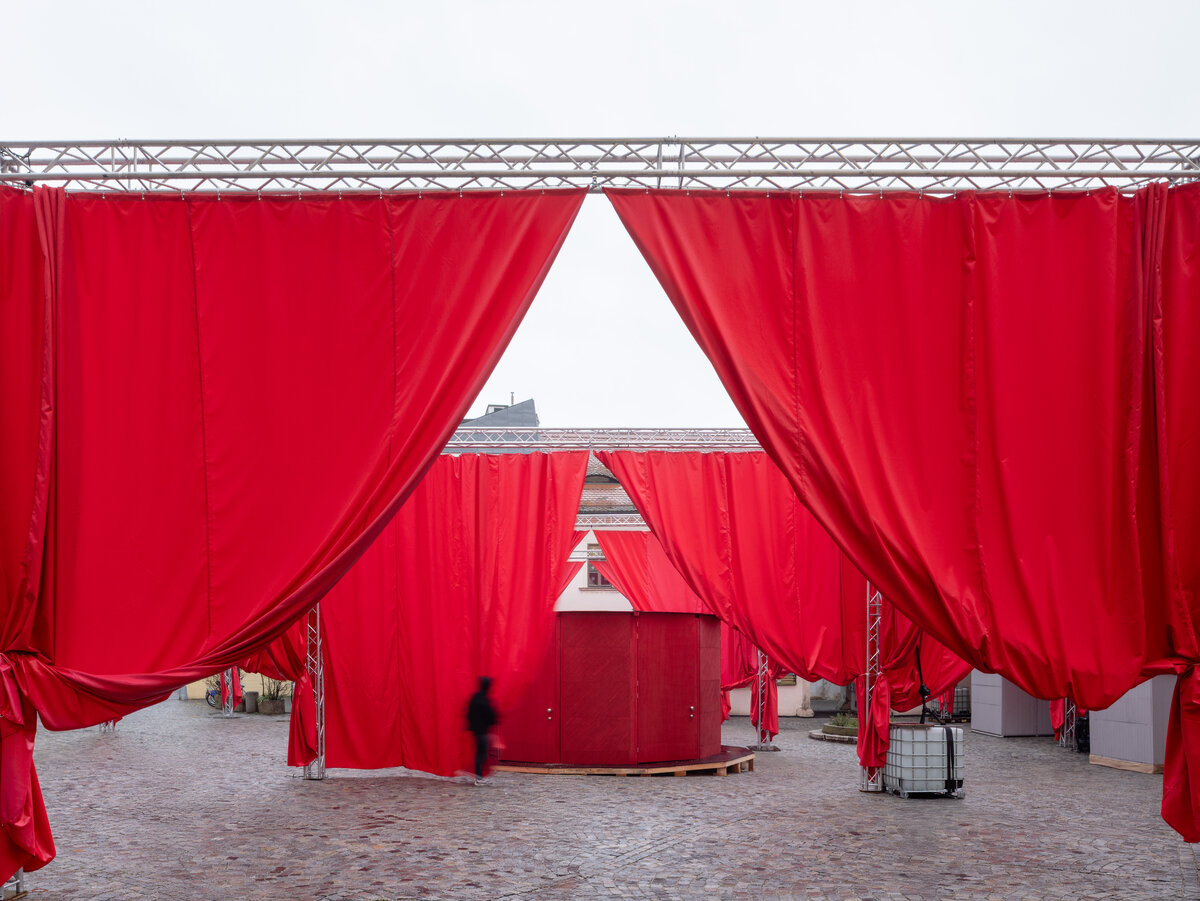
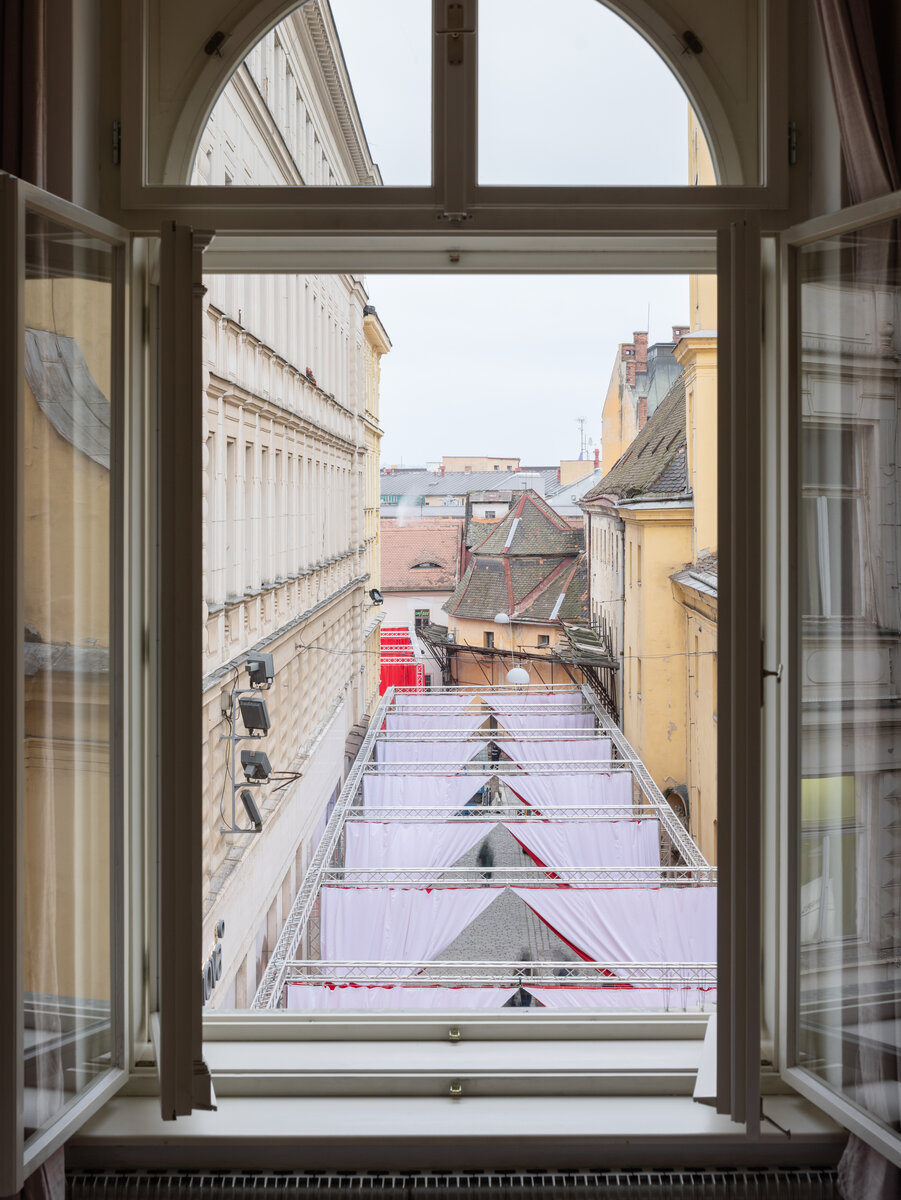
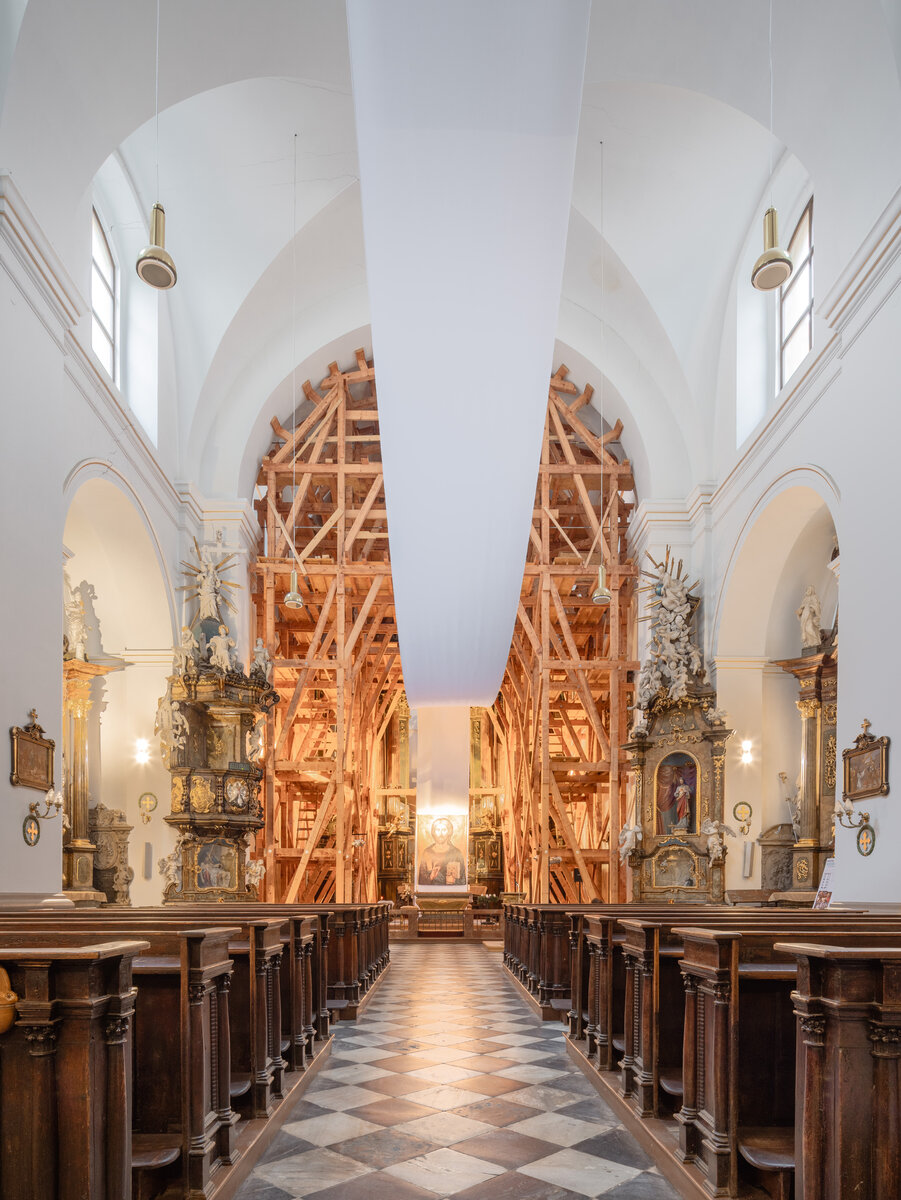
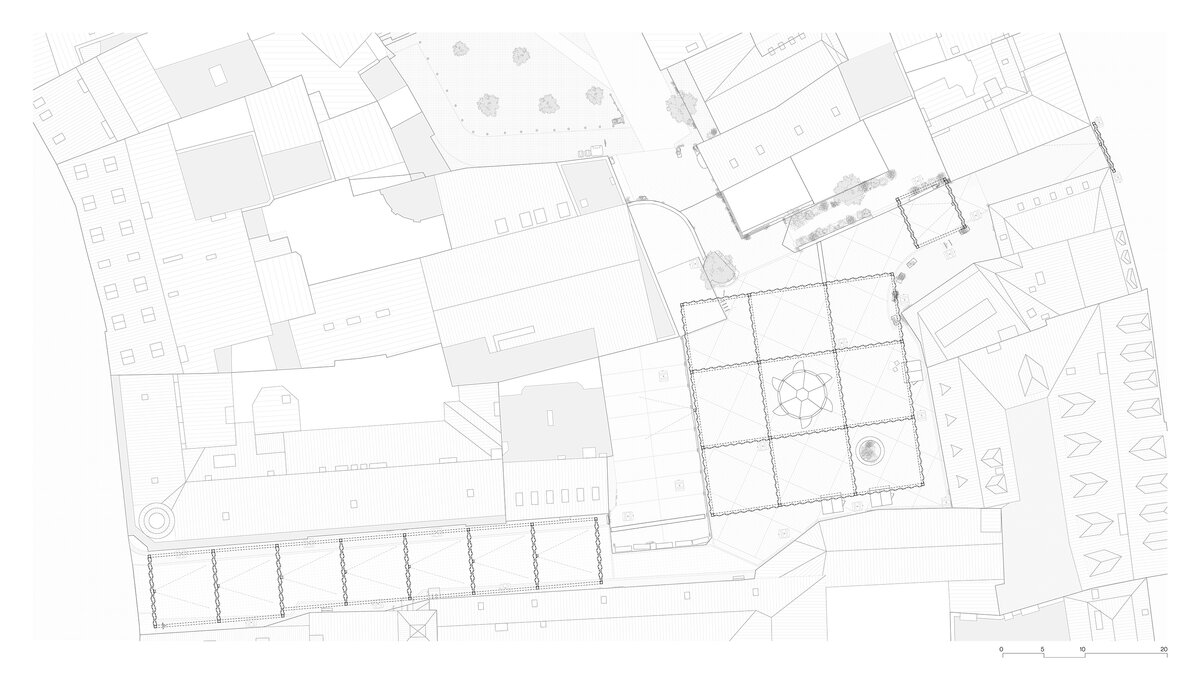
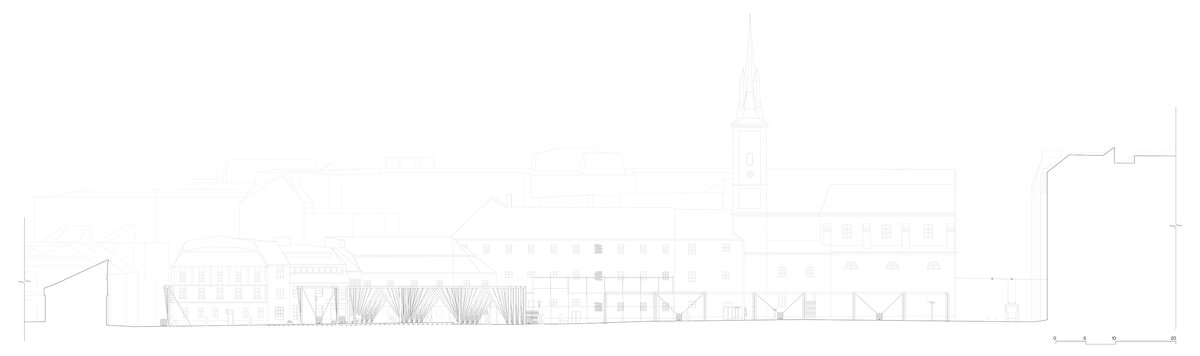
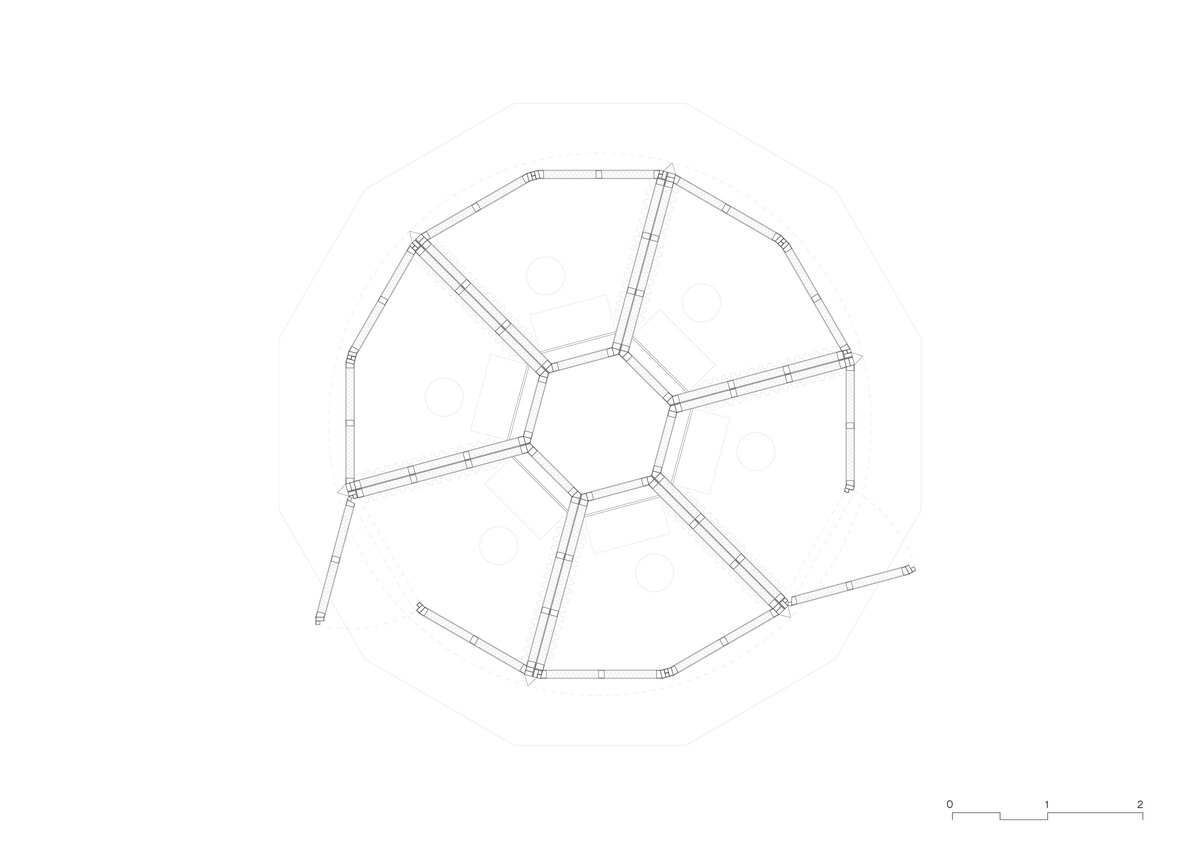
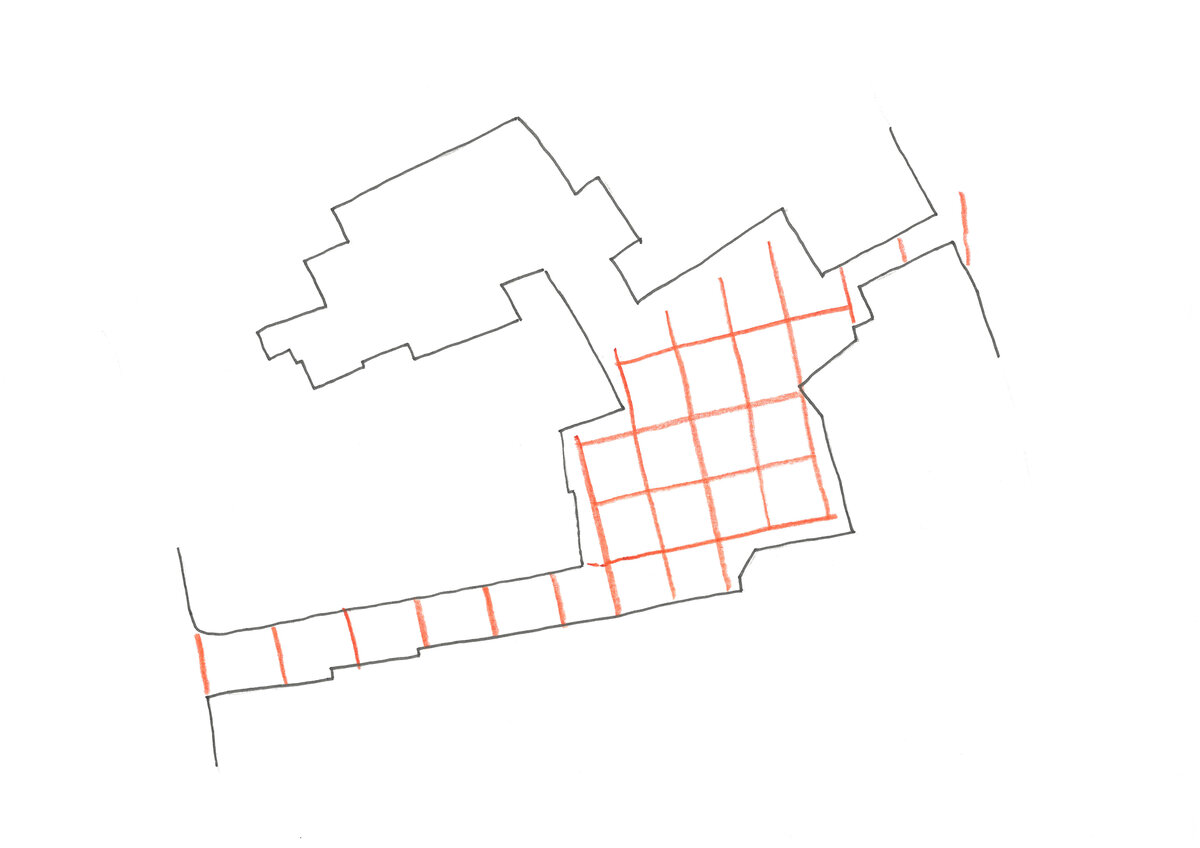
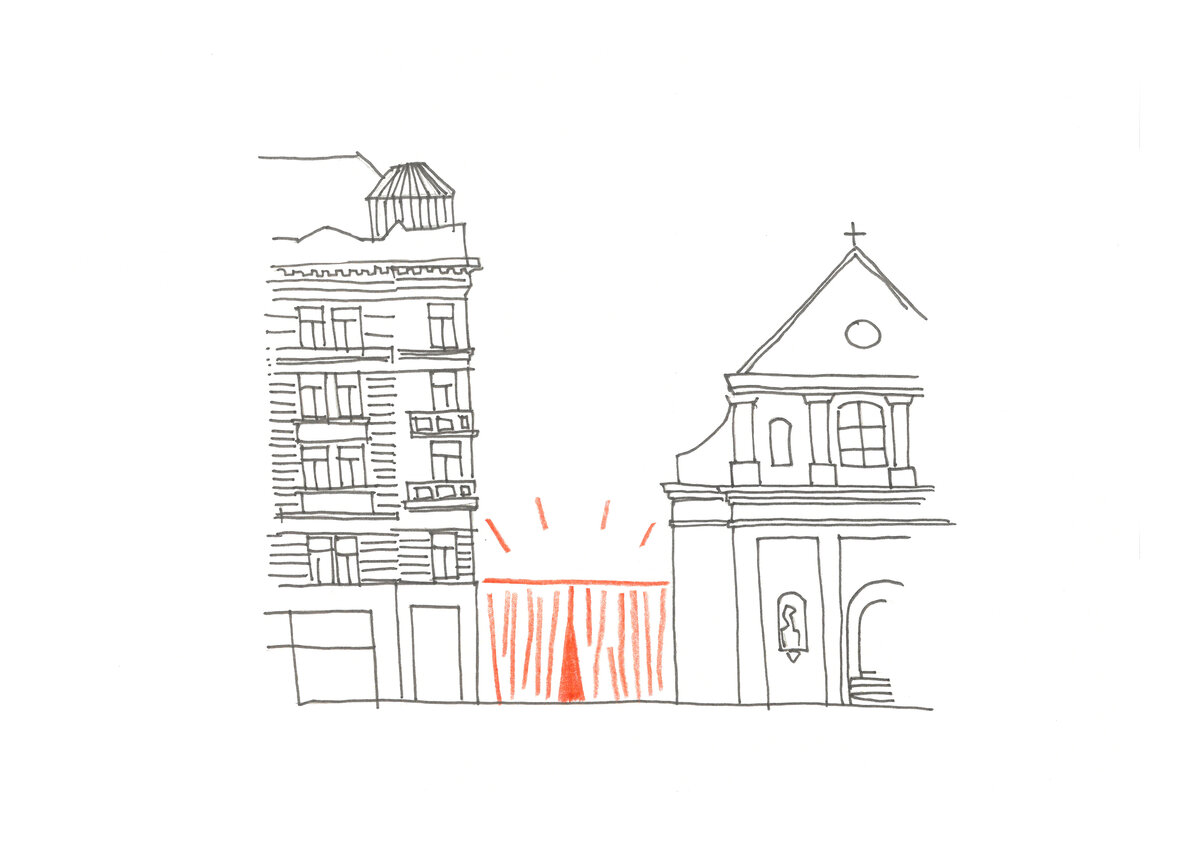
Architects from Peer Collective responded to this topic with a minimalist yet expressive spatial composition. Using modular truss structures – commonly used for stage construction – they created a framework from which large-format curtains made of white and red fabric are suspended. The curtains then divide the square into a network of eighteen "rooms" – a sequence of passages and vistas that visitors walk through like a series of intimate interiors under the open sky. The temporary curtain structure – covering a total area of 2,478 m², roughly the size of ten tennis courts – functions as an urban stage redefining the idea of Christmas in the city.
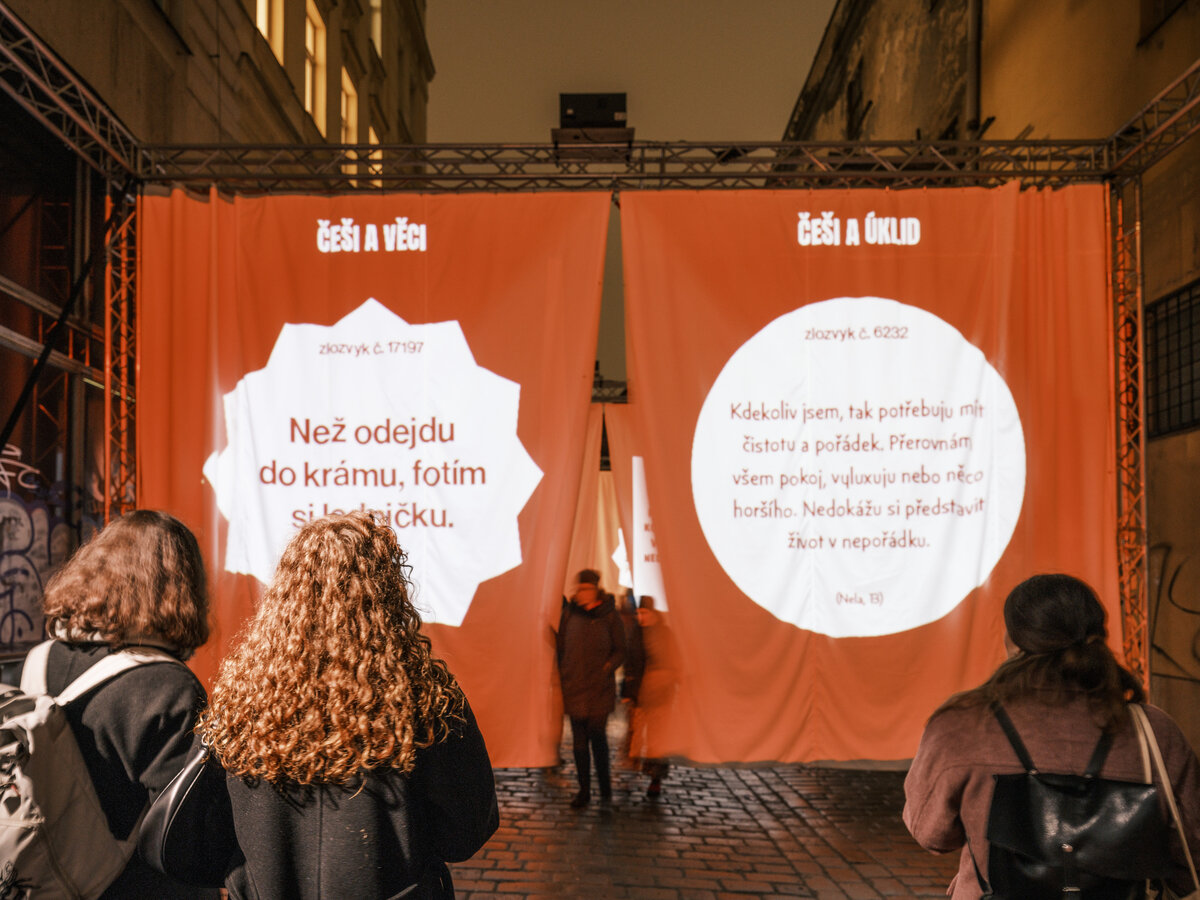
The curtains metaphorically represent barriers that invite us to cross them. They form a kind of soft architecture – a fluid space that allows us to be alone while remaining part of urban life. At night, the structure transforms into an open-air gallery: testimonies from Šedá’s project, The National Collection of Bad Habits, are projected onto the white surfaces. The projections, accompanied by distant ambient sounds and soft light, create an environment on the threshold between the public and the personal – a space of intimacy within the urban centre.
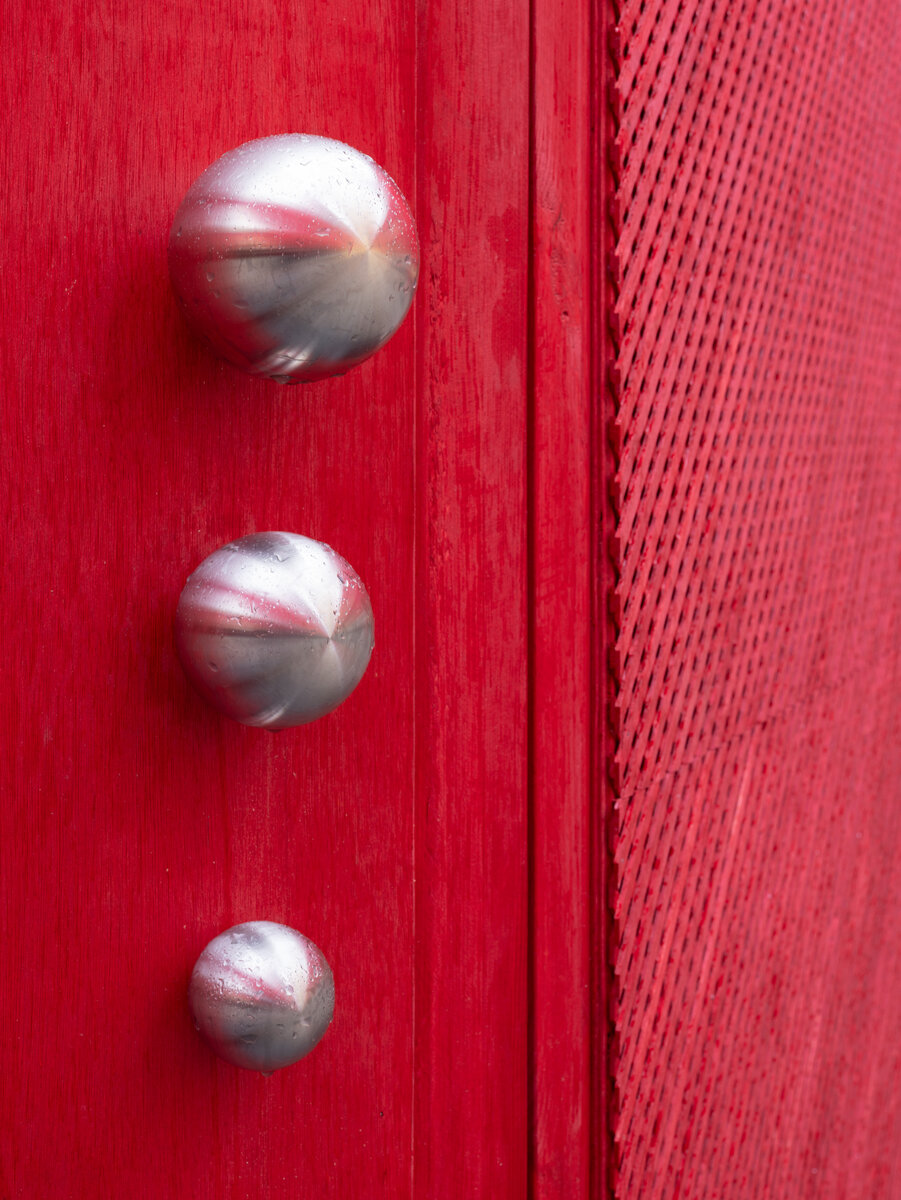
The focal point of the entire festival is the "confessional" object. The journey from confronting one's own bad habits culminates here in a space that offers the opportunity to overcome them. Six separate confession booths replace the classic market stall – instead of exchanging goods, people share their experiences, failures, and fresh starts. An interactive audiovisual system responds to visitors’ input, weaving individual statements into a collective portrait and transforming personal reflection into a shared experience. At the end, visitors return around the back of the red curtains – a symbolic return to the world that, for a moment, has quieted.
The theme of overcoming barriers is also reflected in the physical adaptation of the site itself. The surface of the square has been leveled with fine gravel using minimal means, making it barrier-free and accessible to all – from wheelchair users to parents with strollers. The sale of alcohol was also banned from the premises, thus responding to less visible barriers – social and psychological ones. The result is a space that excludes no one and allows encounters among people of different experiences on equal terms.
Green building
Environmental certification
| Type and level of certificate |
-
|
Water management
| Is rainwater used for irrigation? |
|
| Is rainwater used for other purposes, e.g. toilet flushing ? |
|
| Does the building have a green roof / facade ? |
|
| Is reclaimed waste water used, e.g. from showers and sinks ? |
|
The quality of the indoor environment
| Is clean air supply automated ? |
|
| Is comfortable temperature during summer and winter automated? |
|
| Is natural lighting guaranteed in all living areas? |
|
| Is artificial lighting automated? |
|
| Is acoustic comfort, specifically reverberation time, guaranteed? |
|
| Does the layout solution include zoning and ergonomics elements? |
|
Principles of circular economics
| Does the project use recycled materials? |
|
| Does the project use recyclable materials? |
|
| Are materials with a documented Environmental Product Declaration (EPD) promoted in the project? |
|
| Are other sustainability certifications used for materials and elements? |
|
Energy efficiency
| Energy performance class of the building according to the Energy Performance Certificate of the building |
|
| Is efficient energy management (measurement and regular analysis of consumption data) considered? |
|
| Are renewable sources of energy used, e.g. solar system, photovoltaics? |
|
Interconnection with surroundings
| Does the project enable the easy use of public transport? |
|
| Does the project support the use of alternative modes of transport, e.g cycling, walking etc. ? |
|
| Is there access to recreational natural areas, e.g. parks, in the immediate vicinity of the building? |
|